Topic library · Understanding microtia
Clear answers for parents after a diagnosis: what microtia is, how it is graded, why it happens, and which related conditions are worth checking.
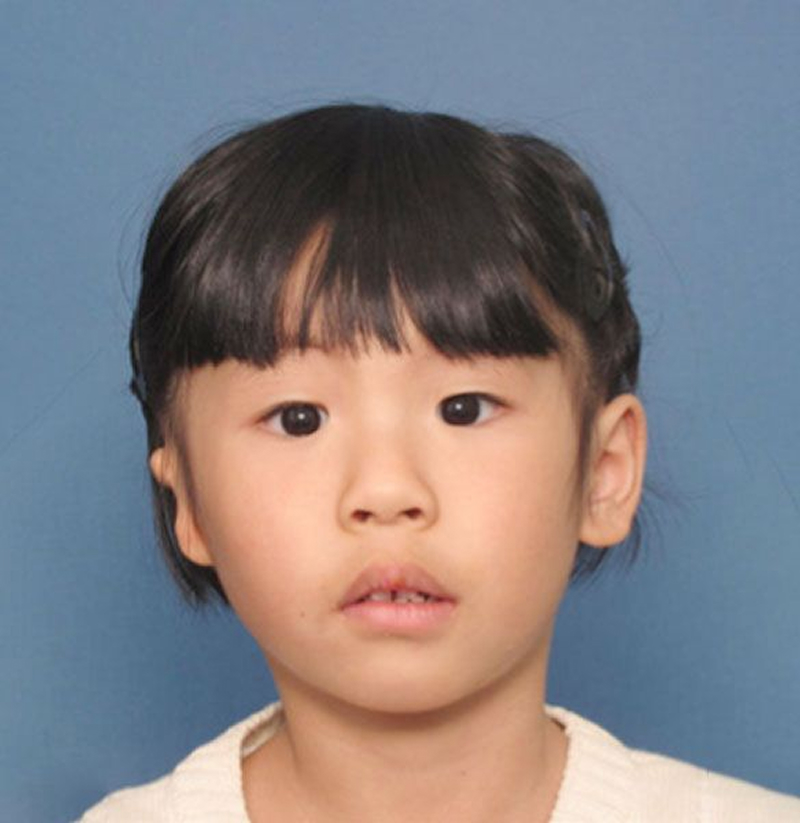
Guide 1 · The four grades
Microtia means “small ear”. The outer ear did not fully form before birth. Doctors describe it in four grades, from an ear that is only slightly smaller to no outer ear at all. The grade helps the team plan treatment; it does not predict how well your child will do.
Guide 2 · One ear or both
In most children, around nine in ten, microtia affects one ear only, and the right ear is affected more often than the left. When the other ear is typical, it usually hears normally, which gives speech and language a strong foundation.
When both ears are affected (bilateral microtia), hearing support in the first weeks of life is essential, usually with bone conduction hearing aids. Reconstruction of both ears is planned around your child's needs, in stages or, in some cases, together.Guide 3 · Causes
In most cases no single cause is found. The ear forms in the first trimester of pregnancy, and microtia happens during that early stage. It is not caused by anything parents did or did not do.
Researchers have linked microtia to a mix of genetic and environmental factors, including higher rates in some populations, life at high altitude, and certain medications taken in early pregnancy, such as isotretinoin. Most families have no history of microtia, and the chance of it happening again in a sibling is low.Guide 4 · Related conditions
Most children with microtia are otherwise healthy. Because the ear forms at the same time as other parts of the body, doctors usually check a few things during the first visits, especially when microtia is part of a wider pattern.
Aural atresia & hearing · Diagnosis & first steps · Ear reconstruction · All topics
This page is for education and does not replace advice from your own doctor.
Meet the surgeons at a conference near you, or start with a video consultation from home.