Topic library · Treatment
The three main ways to create an outer ear, how they compare, and what recovery looks like. Learn Microtia's surgeons perform implant reconstruction only.
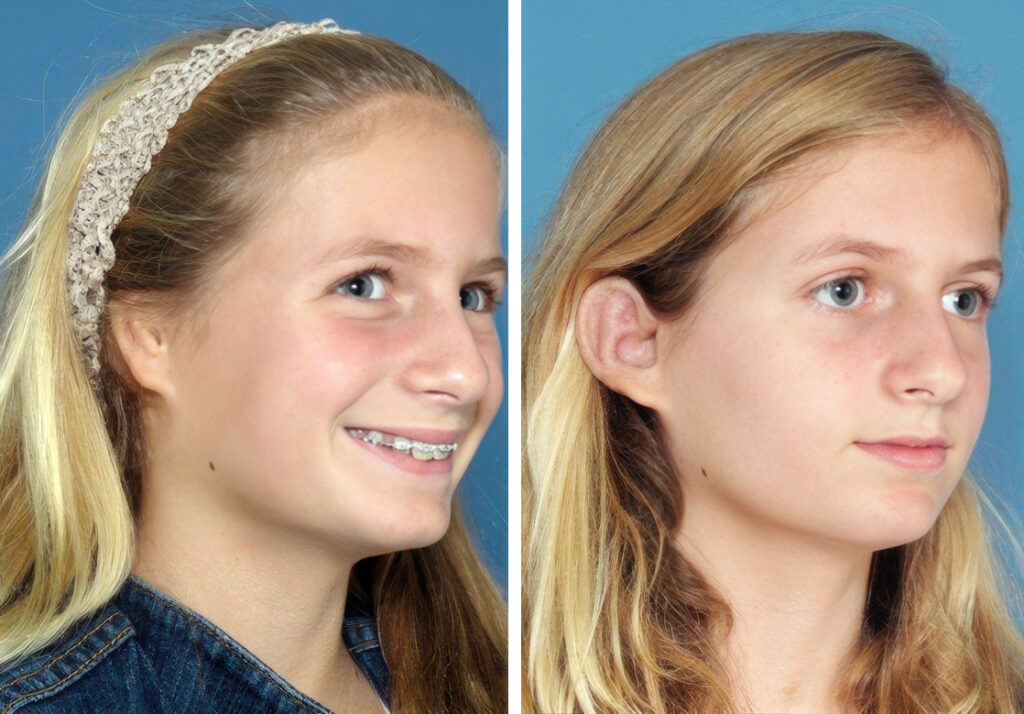
Guide 1 · Implant reconstruction
The new ear is shaped from a porous polyethylene (PPE) framework, sometimes known by the brand name MEDPOR, and covered with a thin layer of the child's own tissue taken from under the scalp. Because no rib is needed, surgery can usually be done from about age three.
Guide 2 · Rib cartilage
This is the technique most widely offered around the world. The surgeon takes cartilage from the child's ribs, carves a framework, and places it under the skin in two or more operations. It is usually done from about eight to ten years old, when there is enough cartilage.
The new ear is made of the child's own tissue, which some families prefer. It leaves a scar on the chest and usually needs a hospital stay. In experienced hands it can give good results. Learn Microtia's surgeons do not offer rib cartilage reconstruction.Guide 3 · Prosthetic ears
A prosthetic ear is made from medical-grade silicone and coloured to match the skin. It attaches with adhesive or with small titanium implants placed in the bone behind the ear.
Prostheses can look very realistic and need no major reconstruction. They must be removed daily, cleaned, and replaced every few years as they wear or as the child grows. Some families choose a prosthesis after other surgery, or as an adult.Guide 4 · Recovery and results
After implant reconstruction, most children go home the same day with a protective dressing. Discomfort is usually mild, and families typically stay nearby for the first follow-up visits before travelling home.
More on implant reconstruction · Hearing restoration · Results · All topics
This page is for education and does not replace advice from your own doctor.
Meet the surgeons at a conference near you, or start with a video consultation from home.